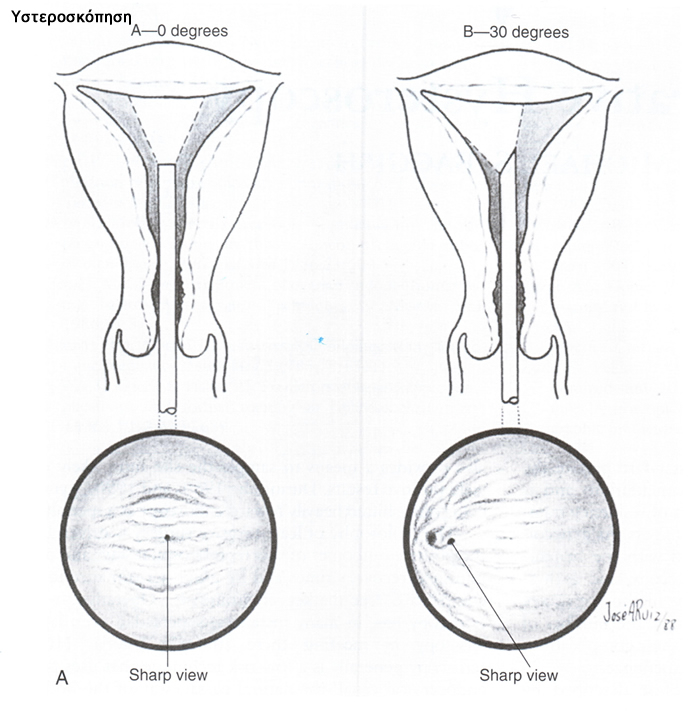
Hysteroscopy is a surgical procedure necessary for diagnosing conditions of the uterine cavity (the interior of the uterus), such as polyps, fibroids, endometrial hyperplasia (the normal lining of the uterus), congenital anomalies such as a uterine septum, as well as cancer.
It is performed without incisions, through the vagina, via the opening of the cervix, which is the continuation of the uterine body. It is done using a distension medium (such as normal saline or carbon dioxide) and does not require general anesthesia unless the woman wishes it or if she has not had children. It is not accompanied by pain, but if the procedure is uncomfortable, it may be stopped during the process and performed under sedation or general anesthesia.
The patient is discharged after approximately half an hour if no anesthesia or only local anesthesia is used, while if sedation or general anesthesia is given, she may go home after a few hours (2–4). Diagnosis is made immediately unless the gynecologist is awaiting biopsy results.